
Summer Swimming Oral Health Concerns
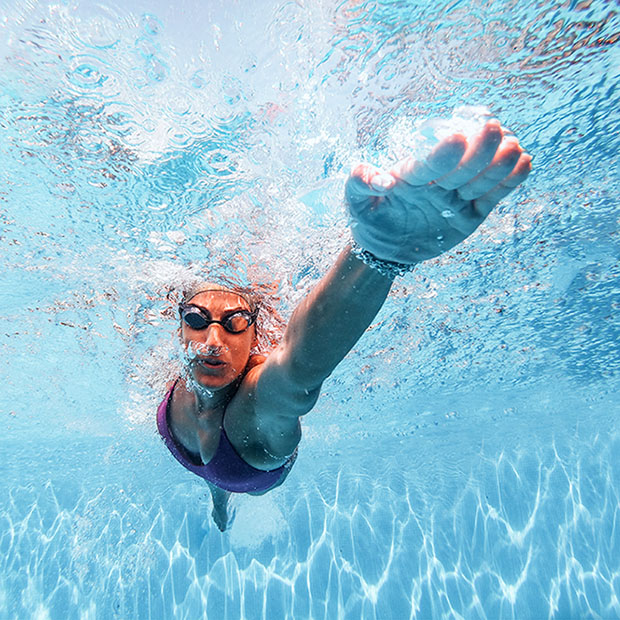
Summer means longer days at the pool, lake, or beach.
For most families, that’s a welcome break from routine. But swimming can bring some surprising risks to your teeth and gums that are worth knowing about, especially if your kids spend hours in the water each week.
Swimmer’s Calculus
One of the lesser-known dental issues connected to swimming is something dentists call “swimmer’s calculus.” Pools treated with chlorine and other chemicals can raise the pH of the water, which changes the chemistry in a swimmer’s mouth. Over time, this can lead to a buildup of brown or yellowish tartar on the teeth, particularly on the front surfaces. This buildup tends to show up in people who swim frequently in poorly balanced pool water, often six or more hours a week.
If you or your child swim competitively or spend a lot of time in the pool this summer, keeping up with regular brushing, flossing, and dental checkups can help catch and manage this buildup before it becomes a bigger problem.
Enamel Erosion
Chlorine itself isn’t the only concern. Improperly balanced pool water, whether too acidic or too alkaline, can actually wear away at tooth enamel. Since enamel doesn’t regenerate, this erosion is permanent and can leave teeth more sensitive and more prone to cavities. Signs of erosion include increased sensitivity to hot or cold, a slightly translucent look at the edges of teeth, or a change in tooth color. If your family swims often, it’s a good idea to mention this to your dentist at your next visit so they can check for early signs.
Dental Injuries at the Pool and Beach
Summer activities like diving, pool games, water slides, and even casual splashing around can lead to unexpected dental trauma. A collision with the side of the pool, a diving board, another swimmer, or a hard surface at the beach can chip, crack, or knock out a tooth. These injuries often happen fast and without warning, so it helps to know what to do if one occurs.
If a permanent tooth gets knocked out, try to keep it moist (in milk or the person’s saliva) and get to a dentist as quickly as possible, ideally within 30 minutes, since this gives the best chance of saving the tooth.
There are also oral health risks from scuba diving!
Mouthguards Aren’t Just for Sports Fields
While mouthguards are commonly associated with contact sports, they can also be helpful for water activities that carry a real risk of impact, such as diving, water polo, or rough play in the pool. If your family is especially active in the water this summer, ask your dentist whether a custom mouthguard makes sense for added protection.
A Few Simple Habits Go a Long Way
The good news is that most swimming-related dental issues are preventable with a few simple habits. Rinse your mouth with fresh water after swimming, keep up with regular brushing and flossing, and don’t skip your routine dental visits, even during the busy summer months. If you notice any changes in your teeth, whether it’s discoloration, sensitivity, or damage, don’t wait until fall to get it checked out. A quick visit now can prevent bigger problems later.